
Transportation is far more than the movement of people and goods from one place to another—it is the foundation upon which societies are built, economies grow, and cultures connect. From the earliest days of civilization, the ability to move efficiently has shaped the trajectory of human development. Trade routes established across deserts, rivers, and seas allowed ancient empires to flourish. In the modern world, transportation networks—be they highways, railways, airways, or digital pathways for logistics—continue to drive innovation, foster social inclusion, and create opportunities. It is often said that a nation’s strength can be tms software by the strength of its infrastructure, and at the heart of that infrastructure lies transportation.
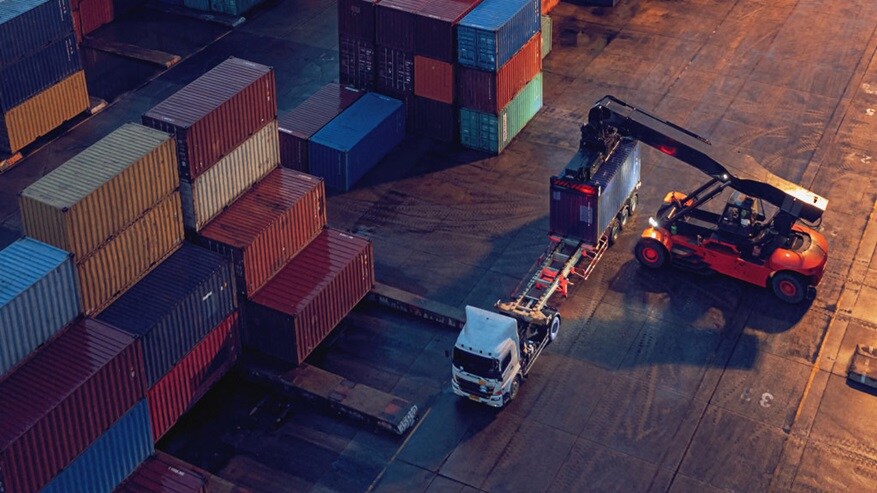
In economic terms, transportation systems are crucial enablers of commerce. Efficient transportation reduces the cost and time of moving goods, directly affecting productivity and market reach. Consider how container shipping revolutionized global trade, or how air freight makes next-day delivery a reality in e-commerce. Small businesses in rural areas can reach urban markets, while multinational corporations can orchestrate supply chains across continents—all thanks to robust transportation networks. Moreover, well-planned transport systems attract investments and stimulate job creation, from construction and logistics to technology and energy sectors. Without effective transportation, economies become fragmented, and growth is stunted.
Beyond economics, transportation plays a profound role in shaping the social fabric of communities. It connects people to essential services such as education, healthcare, and employment. In many parts of the world, lack of access to reliable transport leads to isolation and inequity. Urban transit systems enable people to live affordably further from city centers while still participating in the economic and cultural life of the metropolis. Rural road development can dramatically improve quality of life by giving people access to markets, clinics, and schools. It is not just about mobility—it is about opportunity, equality, and empowerment. Transportation is also instrumental in disaster response and humanitarian efforts, enabling rapid deployment of aid and rescue operations in times of crisis.
Environmentally, the significance of transportation cannot be ignored. While it is a major contributor to greenhouse gas emissions, it also presents a tremendous opportunity for sustainable transformation. Innovations in electric vehicles, high-speed rail, and urban cycling infrastructure are reshaping the landscape of mobility with a focus on reducing carbon footprints. Cities around the world are reimagining their layouts to support greener, more livable environments through smart transport solutions. Investing in public transit and clean mobility alternatives isn’t just about modern convenience—it is a step toward responsible stewardship of our planet. Transportation is thus not only a challenge but a key lever in achieving climate goals and building resilient cities.
In essence, transportation is the quiet enabler of modern civilization. It is the invisible thread that binds the global village, enabling everything from economic trade and social integration to environmental innovation. As we confront the challenges of the 21st century—from urbanization and climate change to technological disruption—it is clear that rethinking and investing in transportation is not optional, but essential. Whether through massive infrastructure projects or simple improvements in local connectivity, enhancing transportation systems is a direct investment in human progress.