
In today’s fast-paced and interconnected world, disinfection has become an essential practice for ensuring public health and safety. As we become increasingly aware of the risks posed by various pathogens, the importance of effective disinfection cannot be overstated. This article examines the significance of disinfection, its various 清潔服務 methods, and its impact on our health, emphasizing why it is crucial in our daily lives.
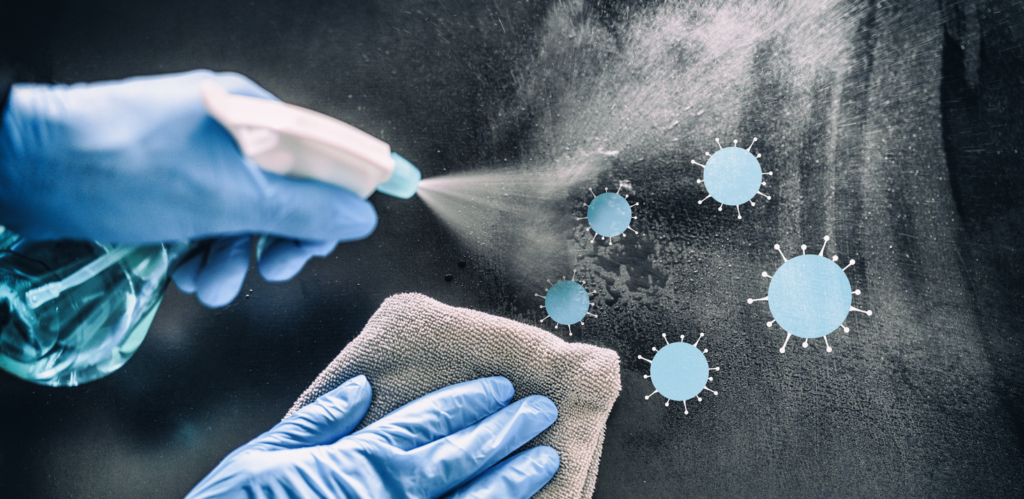
Disinfection is the process of eliminating or reducing harmful microorganisms—such as bacteria, viruses, and fungi—from surfaces and objects. Unlike cleaning, which primarily focuses on removing visible dirt and debris, disinfection targets the microorganisms that can cause illness. This distinction is vital because many pathogens can persist on surfaces for extended periods, leading to potential health risks. For instance, in healthcare settings, where patients are often vulnerable to infections, rigorous disinfection protocols are necessary to prevent the spread of hospital-acquired infections (HAIs). The use of high-level disinfectants on surfaces and medical equipment helps safeguard both patients and healthcare workers from potential infections.
The importance of disinfection extends beyond medical facilities into everyday environments, including homes, schools, and workplaces. The COVID-19 pandemic underscored the crucial role of disinfection in controlling the spread of the virus. High-touch surfaces such as doorknobs, countertops, and shared equipment became focal points for disinfection efforts. This heightened awareness has led to more stringent hygiene practices and a greater emphasis on disinfection in various settings. Schools, for instance, have implemented regular disinfection schedules to protect students and staff from illness, while workplaces have enhanced their cleaning protocols to ensure a safe environment for employees.
Several disinfection methods are commonly used, each with its own advantages and limitations. Chemical disinfectants, such as bleach and alcohol-based solutions, are widely used due to their effectiveness against a broad range of pathogens. These chemicals work by disrupting the cellular structure of microorganisms, rendering them inactive. However, it is crucial to use these disinfectants correctly, including following recommended concentrations and contact times to ensure efficacy and safety. Other methods include ultraviolet (UV) light disinfection, which uses Uv rays to destroy microbial DNA, and steam disinfection, which employs high temperatures to kill microorganisms. The choice of disinfection method often depends on factors such as the type of surface, the nature of the pathogen, and specific environmental considerations.
Despite its benefits, disinfection is not without challenges. Over-reliance on chemical disinfectants can contribute to the development of antimicrobial resistance, a growing global health issue. Additionally, improper use or overuse of disinfectants can pose health risks and environmental concerns. Therefore, disinfection should be integrated into a broader hygiene strategy that includes regular cleaning, hand hygiene, and vaccination. By combining disinfection with these other preventive measures, we can enhance our overall approach to health and safety, reducing the risk of disease transmission and maintaining healthier environments.
In conclusion, disinfection is a critical component of modern health practices that plays a vital role in preventing the spread of infectious diseases. Its importance has been highlighted by recent global health challenges and continues to be a fundamental aspect of public health. Understanding and applying various disinfection methods effectively, along with integrating them into a comprehensive hygiene strategy, is essential for ensuring safety and well-being in all settings. Embracing these practices not only protects individual health but also contributes to the broader effort of maintaining a healthy and resilient community.