
In the realm of home financing, the Graduated Payment Mortgage (GPM) stands out as a versatile option that offers a tailored approach to repayment. With its unique structure, GPMs provide borrowers with a pathway to homeownership that adjusts to their evolving financial circumstances. In this comprehensive guide, we will graduated payment mortgage explore the mechanics, advantages, potential drawbacks, and key considerations associated with Graduated Payment Mortgages.
Understanding Graduated Payment Mortgages
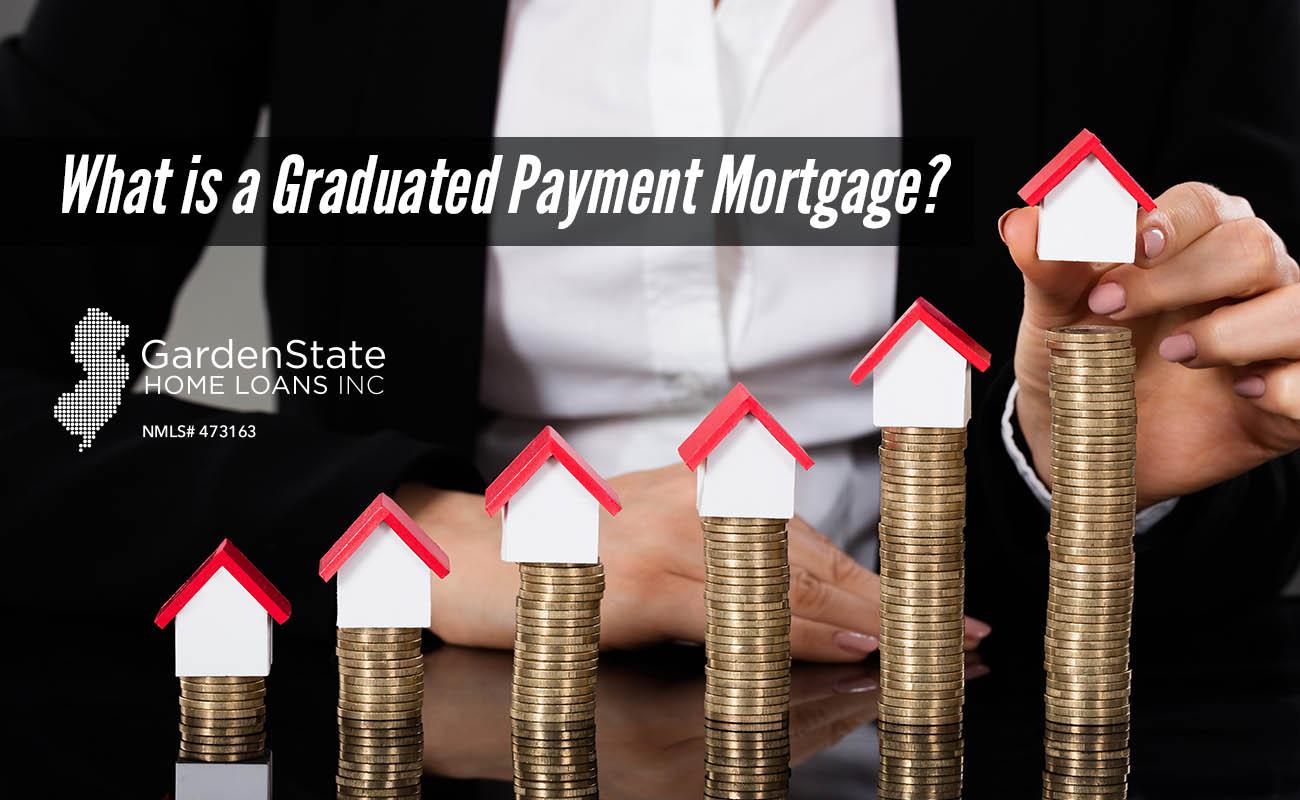
Graduated Payment Mortgages feature a payment schedule that starts with lower initial payments and gradually increases over time. Unlike traditional fixed-rate mortgages, where monthly payments remain constant, GPMs offer borrowers a phased repayment plan. Typically, the initial period spans several years, during which payments are set below what would be required under a fixed-rate mortgage. Subsequently, payments increase incrementally until they stabilize at a higher level for the remainder of the loan term.
Advantages of Graduated Payment Mortgages
- Affordability Early On: GPMs offer lower initial payments, making homeownership more accessible, especially for first-time buyers or individuals with limited income during the early stages of their careers.
- Flexibility: The gradual increase in payments allows borrowers to adjust to higher monthly obligations as their income grows over time. This flexibility enables better financial planning and adjustment to changing circumstances.
- Aligned with Income Growth: GPMs are well-suited for borrowers anticipating steady income growth, such as recent graduates or professionals in fields with predictable salary increments. The payment structure aligns with future income trajectories, ensuring manageable payments throughout the loan term.
Considerations and Potential Drawbacks
- Increasing Payments: While initially advantageous, payments under a GPM gradually increase over time. Borrowers need to anticipate and budget for higher payments in subsequent years.
- Higher Interest Costs: Due to the lower initial payments, interest accrues at a faster rate during the early years of the loan, potentially resulting in higher overall interest costs compared to fixed-rate mortgages.
- Risk of Payment Shock: Significant payment increases at each adjustment period may catch some borrowers off guard, necessitating careful financial planning to ensure affordability.
Key Considerations for Prospective Borrowers
Before opting for a Graduated Payment Mortgage, borrowers should consider several factors:
- Income Stability and Growth: Assess the stability and growth potential of your income to ensure you can comfortably afford increasing payments in the future.
- Long-Term Financial Planning: Evaluate your long-term homeownership goals and financial outlook to determine if a GPM aligns with your objectives.
- Interest Rate Environment: Consider prevailing interest rates and future projections to anticipate potential impacts on future payment adjustments.
- Financial Preparedness: Develop a comprehensive financial plan to mitigate risks associated with increasing payments, including building an emergency fund and budgeting for future expenses.
Conclusion
Graduated Payment Mortgages offer a flexible and accessible pathway to homeownership, providing borrowers with a structured repayment plan that adapts to their financial circumstances. While they offer benefits such as affordability and flexibility, prospective borrowers must carefully evaluate their financial situation, long-term goals, and ability to manage potential payment increases. Consulting with a mortgage advisor can provide valuable insights and guidance in determining the suitability of a Graduated Payment Mortgage for individual circumstances.