
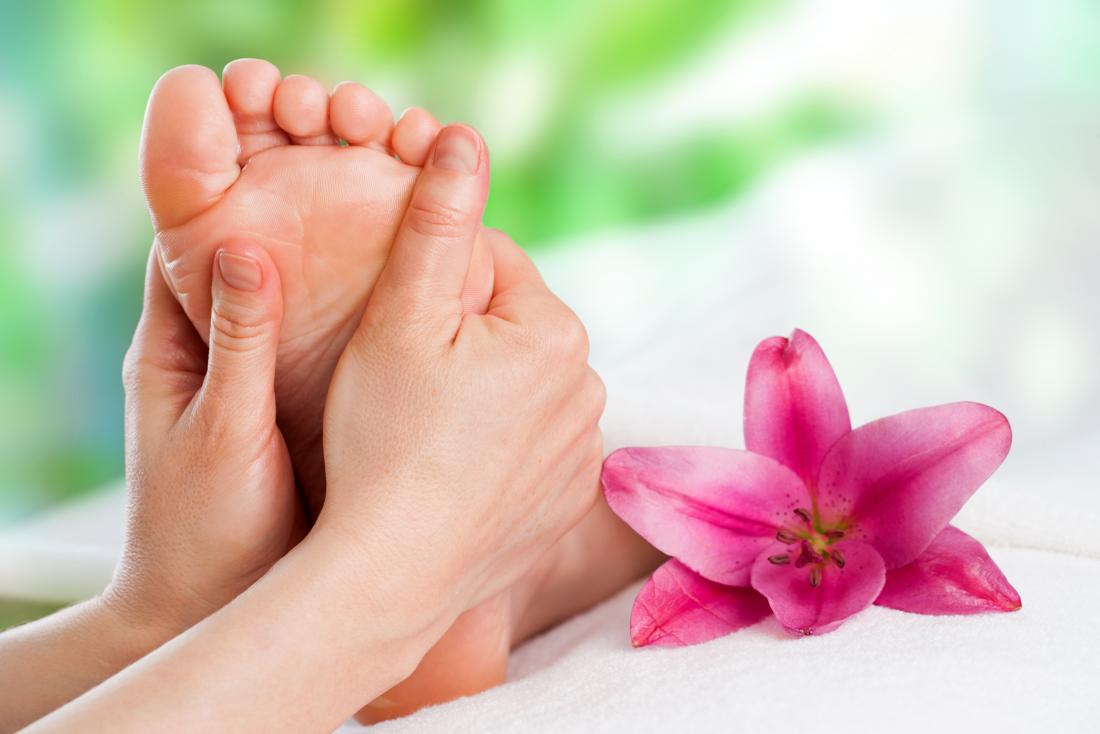
In an era where the demands of daily life can often leave us feeling overwhelmed and fatigued, massage therapy emerges as a sanctuary of relief and rejuvenation. This ancient practice, revered across cultures for its profound healing abilities, offers a holistic approach to maintaining physical, mental, and emotional well-being. This article explores the rich history 방콕물집 , diverse techniques, and extensive benefits of massage therapy, illuminating its essential role in contemporary wellness.
The Historical Foundations of Massage therapy
Massage therapy is deeply rooted in the history of human civilization. Ancient Egyptians, Chinese, and Indians all practiced various forms of massage to heal and rejuvenate the body. In China, massage techniques such as Tui Na and acupressure have been integral to traditional Chinese medicine for thousands of years. Similarly, in India, Ayurvedic practices have incorporated massage to balance the body’s energies and promote health. These ancient traditions laid the groundwork for the diverse and sophisticated forms of massage therapy practiced today.
The Comprehensive Benefits of Massage therapy
Massage therapy offers a multitude of benefits that address a wide range of physical, mental, and emotional health concerns:
Stress Reduction: One of the most immediate benefits of massage therapy is its ability to reduce stress. By lowering cortisol levels and increasing the production of serotonin and dopamine, massage promotes relaxation and a sense of well-being.
Pain relief: Massage is highly effective in managing chronic pain conditions such as back pain, arthritis, and fibromyalgia. Techniques like deep tissue massage target deeper muscle layers, breaking down knots and alleviating persistent tension.
Improved Circulation: The rhythmic pressure applied during massage therapy enhances blood flow, ensuring that oxygen and essential nutrients are delivered to tissues while aiding in the removal of metabolic waste. This improved circulation accelerates healing and reduces inflammation.
Enhanced Flexibility and Mobility: Regular massage sessions can significantly improve joint flexibility and muscle elasticity, which is particularly beneficial for athletes, the elderly, and individuals recovering from surgery or injury.
Mental and Emotional Well-being: Beyond physical benefits, massage therapy also promotes mental and emotional health by reducing symptoms of anxiety and depression, fostering a sense of calm, and enhancing overall emotional balance.
Exploring Popular Massage Techniques
There are numerous massage techniques, each tailored to specific needs and preferences:
Swedish Massage: This is the most common form of massage therapy, characterized by gentle, flowing strokes, kneading, and circular movements. It is designed to relax the entire body, improve circulation, and enhance overall relaxation.
Deep Tissue Massage: This technique focuses on the deeper layers of muscle and connective tissue. It is particularly effective for chronic pain and tension, breaking down adhesions and promoting healing in deeply affected areas.
Shiatsu: Originating from Japan, Shiatsu involves applying rhythmic pressure to specific points on the body to stimulate energy flow and restore balance. It is often used to alleviate stress, pain, and various health conditions.
Thai Massage: Combining acupressure, stretching, and assisted yoga postures, Thai massage aims to improve flexibility, relieve muscle tension, and promote relaxation and energy flow throughout the body.
Hot Stone Massage: This technique involves placing heated stones on key points of the body to warm and relax muscles. The heat from the stones allows for deeper muscle relaxation, enhancing the massage’s effectiveness.
Integrating Massage into Your Wellness Routine
Incorporating regular massage therapy into your wellness routine can yield long-lasting benefits. Here are some tips to maximize its positive effects:
Consistency is Key: Schedule regular massage sessions to maintain muscle relaxation, improve circulation, and manage stress levels over time.
Communicate with Your Therapist: Clearly communicate your needs and preferences to your massage therapist to ensure each session is tailored to your specific requirements.
Complementary Practices: Combine massage therapy with other wellness practices such as yoga, meditation, and a balanced diet to enhance overall health.
Self-Massage Techniques: Learn simple self-massage techniques to alleviate tension and stress between professional sessions. Tools like foam rollers and massage balls can be beneficial.
Conclusion: Embracing the Healing Power of Touch
Massage therapy stands as a powerful pillar of holistic health, addressing the interconnectedness of body, mind, and spirit. By incorporating massage into our lives, we can harness its profound healing potential, experiencing enhanced relaxation, vitality, and emotional balance. Whether seeking relief from physical discomfort or a refuge from the stresses of daily life, massage therapy offers a pathway to comprehensive well-being. Embrace the transformative power of touch and embark on a journey to greater health and serenity today.